
3 Ways to Protect Buildings From Climate Change
As the realities of climate change become increasingly apparent, the built environment faces unprecedented challenges. Rising global temperatures, more intense storms, sea-level rise, and other extreme weather events threaten the integrity of structures worldwide. From urban skyscrapers to residential homes, no building is immune. To ensure the safety and longevity of these structures, there is an urgent need to adopt measures that can protect buildings from climate change. This shift not only involves adapting current infrastructure but also reimagining how we design, construct, and maintain buildings in the face of environmental change.
Embracing sustainable building strategies is more than a trend; it is a necessity. These approaches are critical in reducing carbon footprints, conserving energy, and building resilience against environmental stressors. Below, we explore three essential methods that architects, engineers, city planners, and homeowners can use to safeguard buildings from the ongoing and future impacts of climate change.
Fortifying Structures Against Extreme Weather
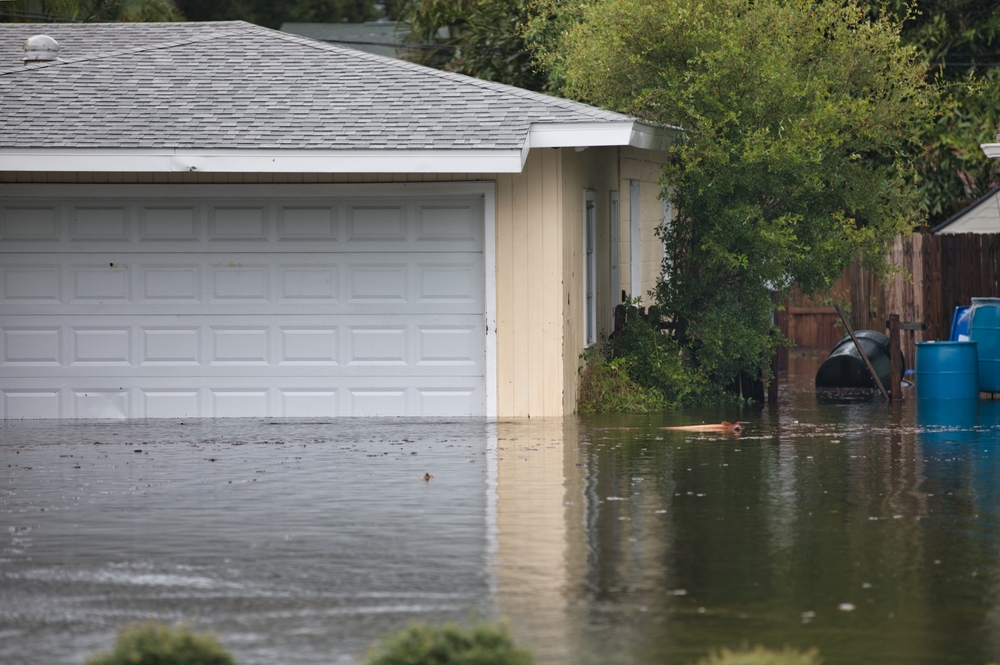
One of the most visible effects of climate change is the increased frequency and severity of extreme weather events. Hurricanes, floods, wildfires, and heatwaves now occur with greater intensity and unpredictability. To protect buildings from climate change, it is essential to enhance structural resilience against these events. Reinforced foundations, wind-resistant windows, and flood-proof basements are just a few of the practical adaptations that can make a significant difference.
Buildings in hurricane-prone areas, for instance, benefit greatly from aerodynamic designs that reduce wind pressure. Roofs that are securely anchored, siding that can withstand flying debris, and shatter-resistant glass all contribute to minimizing storm damage. In flood-prone zones, elevating structures above projected flood levels and integrating drainage systems that prevent water accumulation are vital.
Fire-resistant materials are also becoming increasingly important. Using non-combustible siding, fire-rated roofing, and creating defensible spaces around buildings can limit the impact of wildfires. For areas facing extreme heat, materials that reflect rather than absorb heat help maintain indoor comfort and reduce reliance on air conditioning.
All of these adaptations represent the evolving understanding of how to create buildings that do not simply survive but thrive in the face of natural disasters intensified by climate change. Resilience must become a fundamental principle in modern construction practices.
Embracing Energy Efficiency and Passive Design
Energy efficiency plays a crucial role in sustainable building strategies. By reducing the energy required to heat, cool, and operate a building, we not only lower greenhouse gas emissions but also reduce operational costs over time. Passive design strategies are particularly effective in this area. These techniques use natural resources like sunlight, wind, and shade to regulate indoor temperatures and reduce energy demands.
For instance, buildings oriented to take advantage of natural sunlight can minimize the need for artificial lighting during the day. Proper insulation and thermal mass help maintain comfortable indoor temperatures, reducing the need for mechanical heating and cooling systems. Ventilation strategies that use cross breezes or stack effects can keep buildings cool without air conditioning.
High-performance windows, energy-efficient HVAC systems, and LED lighting further reduce energy consumption. When paired with renewable energy sources such as solar panels or geothermal systems, buildings can even become net-zero or net-positive, producing more energy than they consume.
Energy efficiency not only protects buildings from climate change by reducing their carbon impact but also helps them remain habitable during power outages or during periods of extreme heat or cold. The integration of smart systems and energy monitoring tools allows building managers and homeowners to optimize performance and adjust usage patterns in real-time.
Building With Sustainable and Durable Materials
The choice of building materials has a profound impact on a structure’s ability to withstand climate-related stress. Traditional materials may not hold up well under extreme conditions, while sustainable alternatives can offer both durability and environmental benefits. To protect buildings from climate change, it is essential to consider materials that are both resilient and low in embodied carbon.
Engineered wood products, for example, are strong, renewable, and can be sourced sustainably. Recycled steel and concrete with low carbon footprints are increasingly used in modern construction for their strength and longevity. Newer innovations, such as self-healing concrete and phase-changing materials, can further enhance a building’s resilience and energy performance.
Locally sourced materials are often better suited to regional climates and have the added benefit of reducing transportation emissions. Natural materials like bamboo, rammed earth, and straw bale can offer surprising strength and insulation when used properly. These materials can be particularly effective when integrated into traditional or vernacular architecture that already reflects centuries of adaptation to local environmental conditions.
Durability is just as critical as sustainability. Materials that require minimal maintenance and can withstand decades of wear and tear reduce the need for frequent repairs or replacement. This longevity not only saves resources but also ensures that buildings remain functional even as climate stressors increase.
Integrating Green Infrastructure and Nature-Based Solutions
Nature itself can play a powerful role in protecting buildings from the effects of climate change. Green infrastructure incorporates elements such as green roofs, permeable pavements, rain gardens, and urban tree canopies into the built environment to enhance resilience and manage environmental impacts.
Green roofs, for example, provide insulation, reduce the urban heat island effect, and absorb stormwater. This helps keep buildings cooler and mitigates flood risks during heavy rainfall. Similarly, rain gardens and bioswales capture runoff and filter pollutants, reducing pressure on municipal drainage systems and lowering the risk of water damage.
Permeable surfaces reduce surface runoff and promote groundwater recharge, which is especially beneficial in urban environments that are prone to flooding. The strategic planting of trees and vegetation not only shades buildings and lowers surrounding temperatures but also improves air quality and provides mental health benefits to occupants.
These nature-based solutions are inherently adaptive. As living systems, they can adjust to changing conditions and provide long-term benefits without the need for intensive mechanical systems. Incorporating green infrastructure into building design creates a synergy between the built and natural environments, offering an effective and aesthetically pleasing strategy for climate resilience.
Planning for Future Adaptability
Future-proofing buildings is not solely about reacting to present threats. It also involves anticipating future scenarios and designing structures that can adapt over time. Climate change brings with it a degree of uncertainty, making flexibility a critical component of sustainable building strategies.
This can include modular design elements that allow for easy upgrades, flexible interior spaces that can be repurposed as needs change, and systems that can be scaled up or down based on future energy or water requirements. Buildings should also be designed with potential retrofits in mind, allowing new technologies or materials to be integrated without major overhauls.
Digital tools and data analytics can play a significant role in monitoring building performance and identifying areas for improvement. Sensors can track temperature, humidity, and energy usage in real-time, enabling informed decision-making and proactive maintenance.
Zoning regulations, building codes, and insurance policies are also evolving to account for climate risks. By engaging with these frameworks early in the design process, builders and owners can ensure compliance and access incentives for sustainable development.
Most importantly, planning for future adaptability fosters a mindset that values long-term resilience over short-term convenience. It positions buildings not just as passive structures but as active participants in a changing world.
Conclusion
Protecting buildings from climate change is no longer optional; it is a fundamental responsibility of everyone involved in the built environment. By adopting sustainable building strategies that address structural resilience, energy efficiency, material selection, green infrastructure, and future adaptability, we can create buildings that are not only environmentally responsible but also capable of withstanding the tests of time and nature.
The convergence of innovation, policy, and environmental awareness provides a unique opportunity to rethink how we approach construction and urban development. The path forward involves blending technology with nature, tradition with progress, and resilience with sustainability. In doing so, we not only safeguard our buildings but also create healthier, more livable communities for generations to come.
Need a General Contractor in Poulsbo, WA?
Welcome to Coyote Hollow Construction, Inc.! For over 30 years, our staff at Coyote Hollow Construction, Inc. has dedicated its time and energy into creating beautiful, skillful home renovations for Poulsbo residents and beyond. Our expertise ranges from certified-lead renovations, bathrooms remodels, kitchens remodels, insulated concrete, adult dwelling units, and much more. We have a reputation for attention to detail, integrity, and skillful execution of our projects. Call us now to schedule your free site visit and speak with our trustworthy staff!
Categorised in: Home Tips