
How to Budget For Home Repairs as a Homeowner
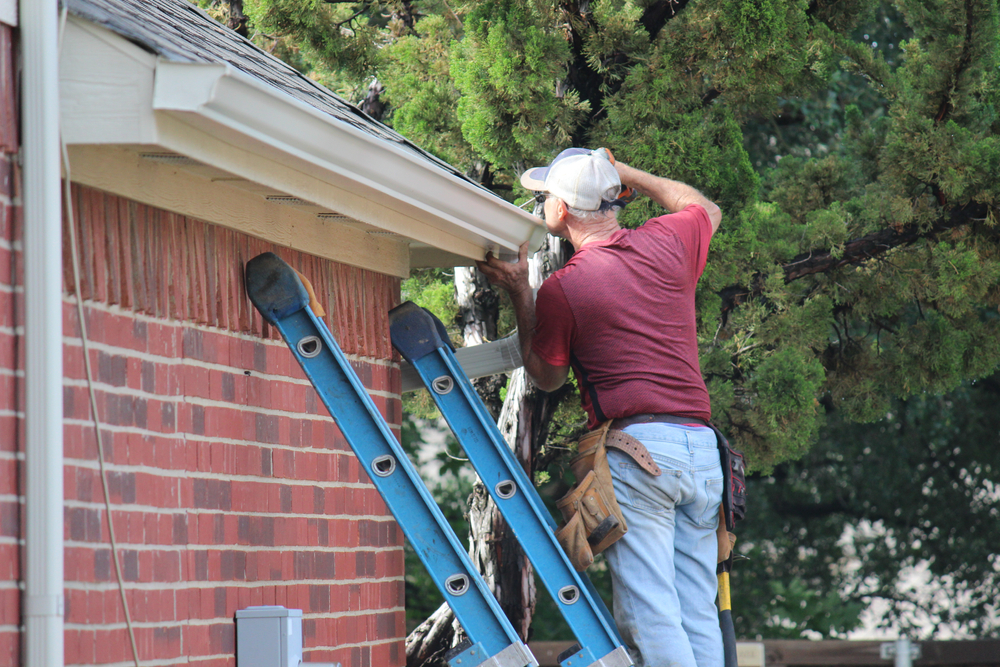
Owning a home is one of the most rewarding investments you can make. It offers stability, pride, and the freedom to shape your environment exactly the way you want. Yet even the most well-maintained homes require ongoing care. Roofs age. HVAC systems wear down. Exterior paint fades. Plumbing fixtures eventually fail. For medium to upper-class homeowners, the challenge is rarely whether repairs will happen, but when and how to plan for them strategically. Thoughtful home repair financial planning protects not only your property but also your long-term financial goals. At Coyote Hollow Construction, we believe that proactive planning turns unexpected repairs into manageable decisions rather than stressful emergencies.
Understanding the True Cost of Homeownership
Many homeowners focus heavily on their mortgage, insurance, and property taxes while overlooking the ongoing cost of maintenance and repair. However, your home is a living system. Every component has a lifespan, and every system will eventually require attention.
A common rule of thumb suggests setting aside one to three percent of your home’s value annually for maintenance and repairs. While that percentage can vary depending on the age and condition of your property, it provides a useful starting point. For a higher-value home, even a modest percentage represents a meaningful annual allocation.
Home repair budget tips often begin with shifting your mindset from reactive to proactive. Instead of waiting for something to fail, anticipate when systems will need replacement. A roof may last twenty to thirty years, but its condition should be evaluated long before visible damage appears. HVAC systems, water heaters, and exterior finishes all follow similar patterns.
Understanding these timelines allows you to plan capital improvements rather than scramble for emergency funding.
Differentiating Maintenance, Repairs, and Upgrades
Effective home repair financial planning requires distinguishing between routine maintenance, necessary repairs, and elective upgrades. Maintenance includes ongoing tasks such as gutter cleaning, servicing mechanical systems, and sealing exterior surfaces. These costs are predictable and should be part of your annual operating budget.
Repairs occur when something breaks or deteriorates beyond its functional capacity. A leaking pipe, damaged siding, or structural concern requires immediate attention. These expenses can be unpredictable, which is why maintaining a dedicated reserve fund is essential.
Upgrades, on the other hand, are improvements that enhance aesthetics, efficiency, or resale value. While not always urgent, they may become strategic investments over time. For example, replacing aging windows may reduce energy costs while improving curb appeal.
By categorizing expenses properly, homeowners can allocate funds more effectively. Maintenance should be expected. Repairs should be anticipated. Upgrades should be evaluated for long-term value.
Building a Dedicated Repair Reserve Fund
One of the most effective home repair budget tips is creating a separate repair reserve account. Rather than mixing maintenance funds with general savings, establishing a designated account ensures that resources remain available when needed.
Medium to upper-class homeowners often have multiple financial goals competing for attention, including retirement planning, investment portfolios, education funding, and travel. Without a clearly defined repair fund, home expenses can disrupt broader financial strategies.
A repair reserve fund functions similarly to an insurance buffer. When unexpected issues arise, you draw from allocated funds rather than relying on high-interest credit or liquidating investments prematurely. Over time, this approach preserves financial stability and reduces stress.
Automatic transfers into the reserve account can simplify the process. Monthly contributions create consistency and allow the fund to grow steadily. Even when no immediate repairs are required, the balance builds toward future projects.
Prioritizing Preventative Inspections and Professional Assessments
Preventative care is often the most cost-effective strategy in home repair financial planning. Regular inspections by qualified professionals identify minor issues before they escalate into major structural or mechanical failures.
For example, a small roofing concern caught early may require simple patching rather than full replacement. A minor foundation crack addressed promptly prevents larger structural shifts. Routine HVAC servicing extends equipment lifespan and improves efficiency.
Partnering with experienced contractors such as Coyote Hollow Construction provides homeowners with informed guidance. Rather than relying on guesswork, professional assessments offer clarity about timelines, urgency, and projected costs.
Planning large-scale repairs well in advance allows homeowners to secure competitive bids, schedule work strategically, and avoid emergency premiums. It also provides time to evaluate financing options if needed.
Balancing Quality with Cost Efficiency
When budgeting for home repairs, cost should not be the only consideration. Quality workmanship and durable materials often provide greater long-term value than the lowest initial bid. Medium to upper-class homeowners frequently prioritize craftsmanship and longevity, recognizing that poorly executed repairs can lead to repeated expenses.
Home repair budget tips often emphasize comparison shopping, but it is equally important to assess reputation, experience, and scope of work. A comprehensive repair performed correctly reduces the likelihood of recurrence and protects your home’s overall value.
At the same time, not every repair requires premium upgrades. Strategic decision-making involves understanding where investment yields meaningful returns and where standard solutions suffice. Balancing these considerations ensures that funds are allocated wisely.
Preparing for Aging Infrastructure
Homes built twenty or thirty years ago are entering a stage where multiple systems may approach the end of their useful life simultaneously. Electrical panels, plumbing lines, roofing systems, and exterior finishes may all require attention within a similar timeframe.
This convergence can create significant financial pressure if not anticipated. Proactive home repair financial planning identifies these aging components early and staggers replacements when possible. Rather than waiting for cascading failures, homeowners can schedule improvements methodically.
Understanding the life expectancy of major systems provides clarity. Roofing materials, for instance, may require replacement every two to three decades. Water heaters often last ten to fifteen years. Exterior paint may need refreshing every seven to ten years depending on climate.
Mapping these timelines onto a long-term financial plan ensures smoother transitions and avoids sudden strain on cash flow.
Protecting Property Value Through Strategic Repairs
For medium to upper-class homeowners, maintaining property value is often as important as comfort. Deferred maintenance can erode resale value and complicate future transactions. Buyers are increasingly discerning and often request thorough inspections before purchase.
Addressing structural integrity, roofing condition, exterior finishes, and mechanical reliability not only preserves your enjoyment of the home but also strengthens its market position. Thoughtful budgeting allows repairs to enhance rather than diminish equity.
Coyote Hollow Construction encourages homeowners to view repairs as investments rather than inconveniences. Well-planned improvements protect long-term appreciation and prevent minor issues from undermining property value.
Integrating Repairs into Long-Term Financial Strategy
Home repair financial planning should align with your broader financial goals. For some homeowners, this may involve incorporating projected repair costs into retirement planning. For others, it may mean coordinating renovations with anticipated lifestyle changes such as downsizing or expanding.
Working with financial advisors in tandem with trusted contractors creates a cohesive strategy. When repair timelines and financial planning intersect effectively, homeowners gain confidence in both their property and their portfolio.
The objective is not merely to respond to problems but to manage them strategically within a comprehensive plan.
Turning Preparation into Peace of Mind
Budgeting for home repairs does not have to feel overwhelming. With thoughtful planning, clear categorization of expenses, and professional guidance, homeowners can navigate maintenance and repair with confidence. By implementing practical home repair budget tips and prioritizing proactive assessments, you transform uncertainty into preparedness.
Your home represents both comfort and capital. Protecting it requires foresight and disciplined financial planning. When repairs are anticipated rather than feared, you maintain control over both your environment and your finances. Through strategic home repair financial planning and collaboration with experienced professionals like Coyote Hollow Construction, homeowners can ensure that their property remains strong, beautiful, and financially sound for years to come.
Categorised in: Home Remodeling, Home Repairs