
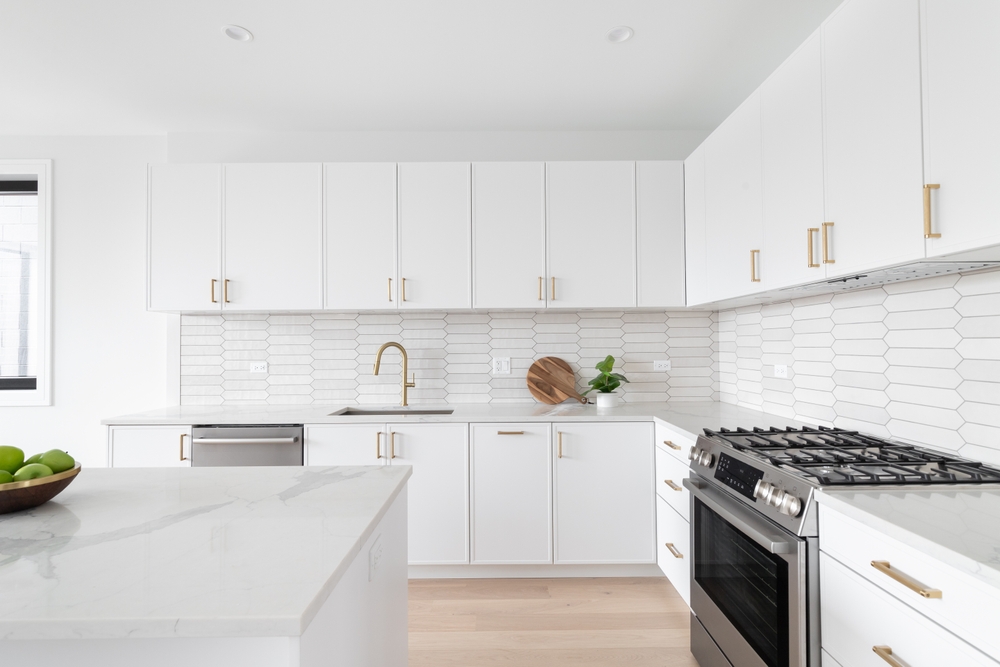
Open Concept Kitchen Remodels: Pros and Cons
Open concept kitchens are everywhere. From sleek urban condos to sprawling suburban homes, the open floor plan has become one of the most requested features in modern home remodeling. But like any major renovation decision, there are real trade-offs to consider before knocking down that wall.
Whether you are planning a full kitchen remodel or simply dreaming about what could be, understanding the open concept kitchen pros and cons is essential before committing to a project of this scale.
Here is a thorough look at both sides of the conversation.
1. What Is an Open Concept Kitchen?
An open concept kitchen is a layout that removes or reduces the walls separating the kitchen from adjacent living or dining areas. Instead of a closed-off cooking space, the kitchen flows seamlessly into the rest of the home, creating one large, shared area. This design philosophy gained serious momentum in the late 1990s and early 2000s, and it has remained a dominant force in kitchen design trends ever since.
The appeal is easy to understand. When you remove physical barriers, you create a sense of spaciousness, improve sight lines, and foster a more social atmosphere throughout the home. Families can cook dinner while keeping an eye on children playing in the living room. Hosts can entertain guests without feeling isolated behind a kitchen door. The layout is as functional as it is visually striking.
However, the open concept kitchen is not a one-size-fits-all solution. As more homeowners complete these remodels, a more nuanced picture has begun to emerge, one that includes genuine challenges alongside the obvious appeal.
2. The Benefits of Opening Up Your Kitchen
The most frequently cited advantage of open concept kitchens is the enhanced sense of space. Even in a modest-sized home, removing a wall between the kitchen and living area can make both rooms feel significantly larger. Natural light flows more freely throughout the space, eliminating the dark corners that closed-off kitchens often struggle with.
Socialization is another major draw. Cooking no longer has to be a solo activity tucked away from the rest of the household. In an open layout, whoever is preparing a meal becomes part of the conversation rather than separated from it. This shift has been especially meaningful for families with young children, where visibility and connection throughout the home matter a great deal.
From a real estate perspective, open concept layouts tend to be a selling point. Buyers across most markets respond positively to open floor plans, which means that a well-executed kitchen remodel could add meaningful value to your property. For homeowners who are remodeling with resale in mind, this is a consideration worth factoring into the budget conversation.
Open layouts also tend to be more adaptable over time. As a household’s needs change, such as when kids grow up and dinner parties replace play dates, an open space can accommodate new furniture arrangements, traffic patterns, and lifestyle shifts without requiring another major renovation.
Finally, many homeowners find that the open concept kitchen simply feels more modern and intentional. It reflects current kitchen design trends that prioritize flow, functionality, and the blending of work and leisure spaces in a way that feels natural rather than forced.
3. The Drawbacks You Should Not Ignore
For all its appeal, the open concept kitchen comes with a list of legitimate challenges that deserve honest attention before you swing a sledgehammer.
The most immediate concern for many homeowners is the issue of noise and mess. In a closed kitchen, the sounds of chopping, blending, running water, and sizzling oil stay contained. In an open layout, those same sounds travel freely into living and dining areas. If someone is trying to watch television, take a call, or put a baby to sleep while dinner is being prepared, the open concept kitchen can become a source of real friction.
Similarly, cooking smells, which can be wonderfully appetizing or powerfully overwhelming depending on what is on the stove, spread throughout the entire living space. A closed kitchen gives you the ability to contain odors. An open one does not, and even the best range hoods have their limits.
Clutter visibility is another drawback that homeowners sometimes underestimate. In a traditional closed kitchen, dirty dishes, open appliances, and the general chaos of meal prep are hidden from view. In an open layout, the kitchen is always on display. This means that maintaining a tidy kitchen becomes more important and more demanding, since any mess is immediately visible from the living and dining areas.
There are also structural and financial considerations tied to open concept kitchen remodels. Many walls in homes are load-bearing, meaning they carry the structural weight of the floors or roof above them. Removing a load-bearing wall requires additional engineering work, including the installation of a support beam, which can significantly increase the cost and complexity of the project. Before starting any remodel, a structural assessment is essential.
Privacy is the final drawback worth mentioning. Some people genuinely enjoy having a defined, separate space for cooking. It provides a sense of routine, focus, and even calm. For those who find the kitchen to be a personal sanctuary, opening it up can actually detract from the enjoyment of cooking rather than enhance it.
4. Who Should Consider an Open Concept Kitchen Remodel?
Open concept kitchens tend to work best for homeowners who entertain frequently and want guests to feel included in the flow of the home. They also suit families with young children who need to maintain visual oversight of multiple areas at once. If your current kitchen feels cramped, poorly lit, or disconnected from the rest of your home, opening it up could address all three problems in one project.
On the other hand, homeowners who work from home, have multiple overlapping schedules, or simply prefer distinct, purposeful rooms may find that the open concept creates more disruption than harmony. Those who live in smaller homes should also think carefully, because while removing walls can create the illusion of space, it can also reduce the total amount of storage and cabinetry that a closed kitchen can accommodate along its walls.
The best candidates for this type of remodel are those who have weighed the open concept kitchen pros and cons honestly against their specific lifestyle, household size, and long-term plans for the property.
5. Budgeting and Planning Your Kitchen Remodel
If you have decided that an open concept remodel is right for you, the planning stage is where success is determined. Start by hiring a contractor or structural engineer to assess which walls are load-bearing. This step is non-negotiable. Skipping it can result in costly structural damage and serious safety risks.
From there, set a realistic budget that accounts for demo work, beam installation if required, drywall repair, flooring continuity across the newly merged spaces, and any updates to plumbing or electrical that the remodel may require. Kitchen remodels have a reputation for scope creep, meaning the final cost often exceeds the initial estimate. Building in a contingency of 15 to 20 percent is a standard and wise practice.
You should also think carefully about ventilation. One of the most overlooked aspects of open concept kitchen design is the need for a powerful, properly vented range hood. Without adequate ventilation, cooking odors and grease will settle throughout the entire living area. Upgrading your ventilation system during the remodel is far easier and less expensive than adding it after the fact.
Conclusion
Open concept kitchens offer genuine appeal, from improved light and social connection to stronger resale value. But they also come with real trade-offs around noise, privacy, and structural complexity. By thinking critically about the open concept kitchen pros and cons in the context of your own home and lifestyle, and by staying informed on current kitchen design trends, you can make a remodeling decision that you will be happy with for years to come.
Need a General Contractor in Poulsbo, WA?
Welcome to Coyote Hollow Construction, Inc.! For over 30 years, our staff at Coyote Hollow Construction, Inc. has dedicated its time and energy into creating beautiful, skillful home renovations for Poulsbo residents and beyond. Our expertise ranges from certified-lead renovations, bathrooms remodels, kitchens remodels, insulated concrete, adult dwelling units, and much more. We have a reputation for attention to detail, integrity, and skillful execution of our projects. Call us now to schedule your free site visit and speak with our trustworthy staff!
Categorised in: Kitchen Remodel